The high-value treat
June 12, 2026
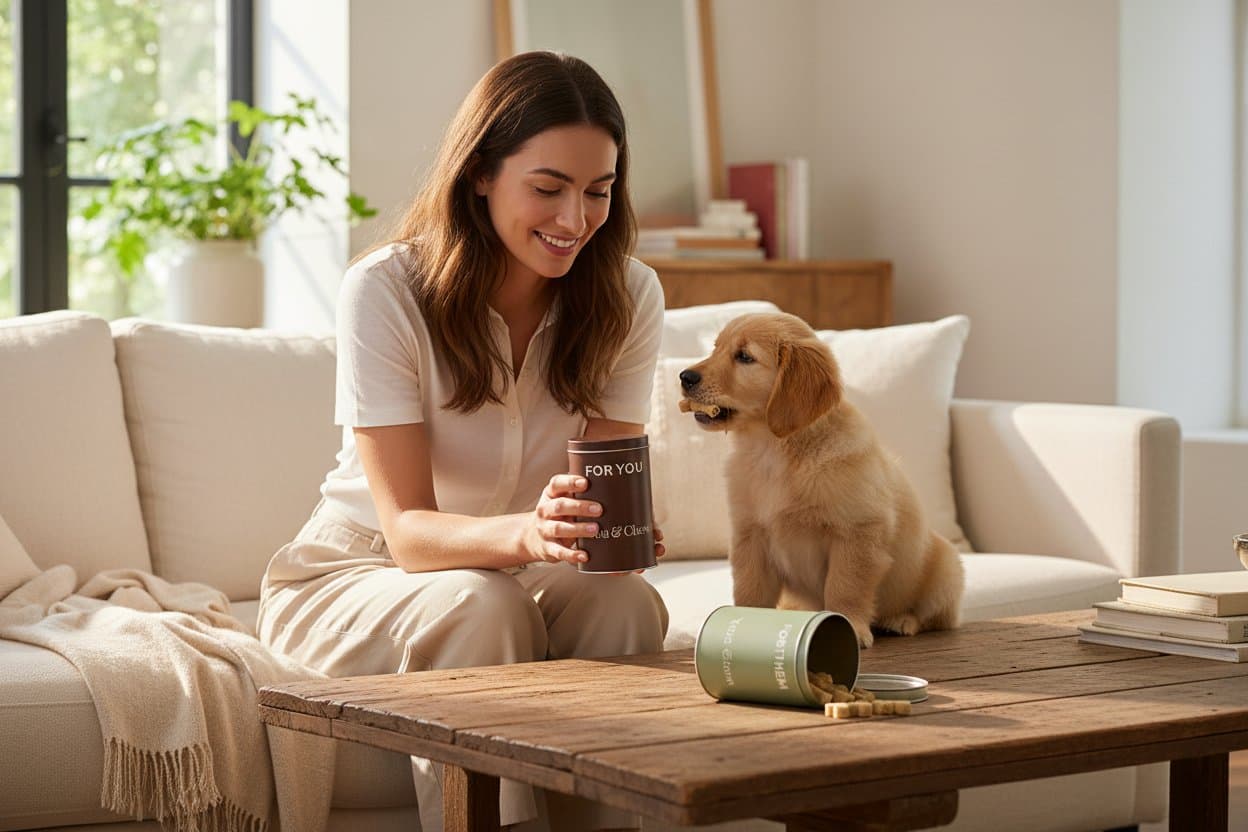
Ask anyone who trains dogs seriously and they will describe a hierarchy. Kibble at the bottom, for things the dog already does. Something better in the middle. And at the top, held back for emergencies, one thing the dog would cross a road for.
That top tier is almost always meat.
Why value has to match difficulty
A reward is only a reward relative to what else is happening. A biscuit is plenty in your kitchen with nothing going on. The same biscuit is worthless in a park with a squirrel forty feet away, because you are now bidding against the squirrel.
Most recall problems are not obedience problems. They are pricing problems.
Small, fast, and gone
A good training treat disappears in about a second. If your dog spends fifteen seconds chewing, you have lost the thread — the association between the behaviour and the reward gets thinner the longer the gap runs.
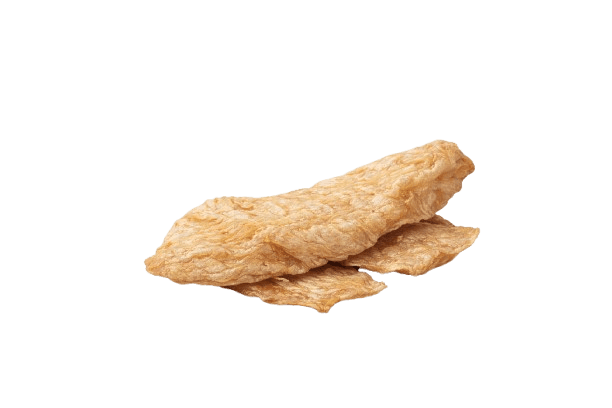
So break pieces down. A dried chicken piece snapped into four is four rewards, four repetitions, and no more calories than one. Given the ten percent rule, that arithmetic matters.
Keep the best thing rare
The mistake is using your best treat for everything. Value is partly scarcity — if the dog gets it for sitting in the kitchen, it stops being the thing that beats the squirrel.
Reserve one thing. Use it for recall away from something genuinely interesting, for the vet's table, for the nail clippers. Use everything else the rest of the time.
Then, when you actually need your dog to turn around and come back, you have something left to spend.