Old dogs, worn teeth
June 4, 2026
A dog who suddenly takes a treat, carries it away, and leaves it on the rug is usually not being fussy. Something in their mouth hurts.
Dental disease is extremely common in older dogs and it is easy to miss, because dogs are unhelpfully stoic about it. They keep eating. They just start eating differently — chewing on one side, dropping food, turning their head oddly, or losing interest in the hard things they used to love.
What to actually watch for
Bad breath that gets worse. Bleeding or receded gums. Pawing at the face. A treat picked up and abandoned. Any of these earns a look from a vet rather than a change of treat.
The change of treat is what most of us do first, because it is easier. It manages the symptom and leaves the cause alone.
Making a dried treat manageable
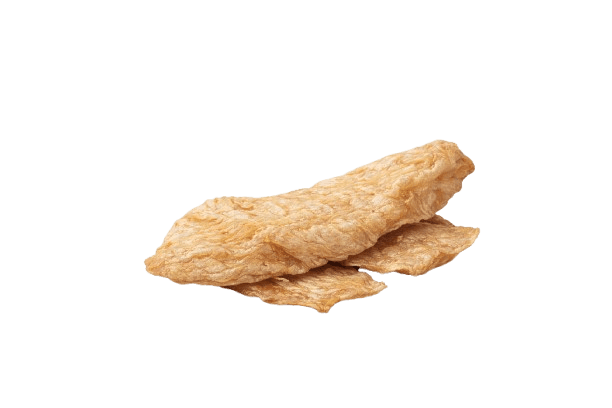
Once a vet has ruled out something that needs treating, dried chicken is straightforward to adapt. Snap it into smaller pieces so there is less work per mouthful. If chewing is still hard, a few drops of warm water over a piece softens it in a minute or two — it loses its snap, but it keeps everything else.
Some people crumble it over food instead. That works too, and for a dog who has stopped finding meals interesting it can be the thing that gets them started.
The part that is not about teeth
Older dogs often need fewer calories than they used to, so the ten percent budget shrinks even as the impulse to spoil them grows. It is worth asking your vet for the current number rather than working from the one you learned when they were three.
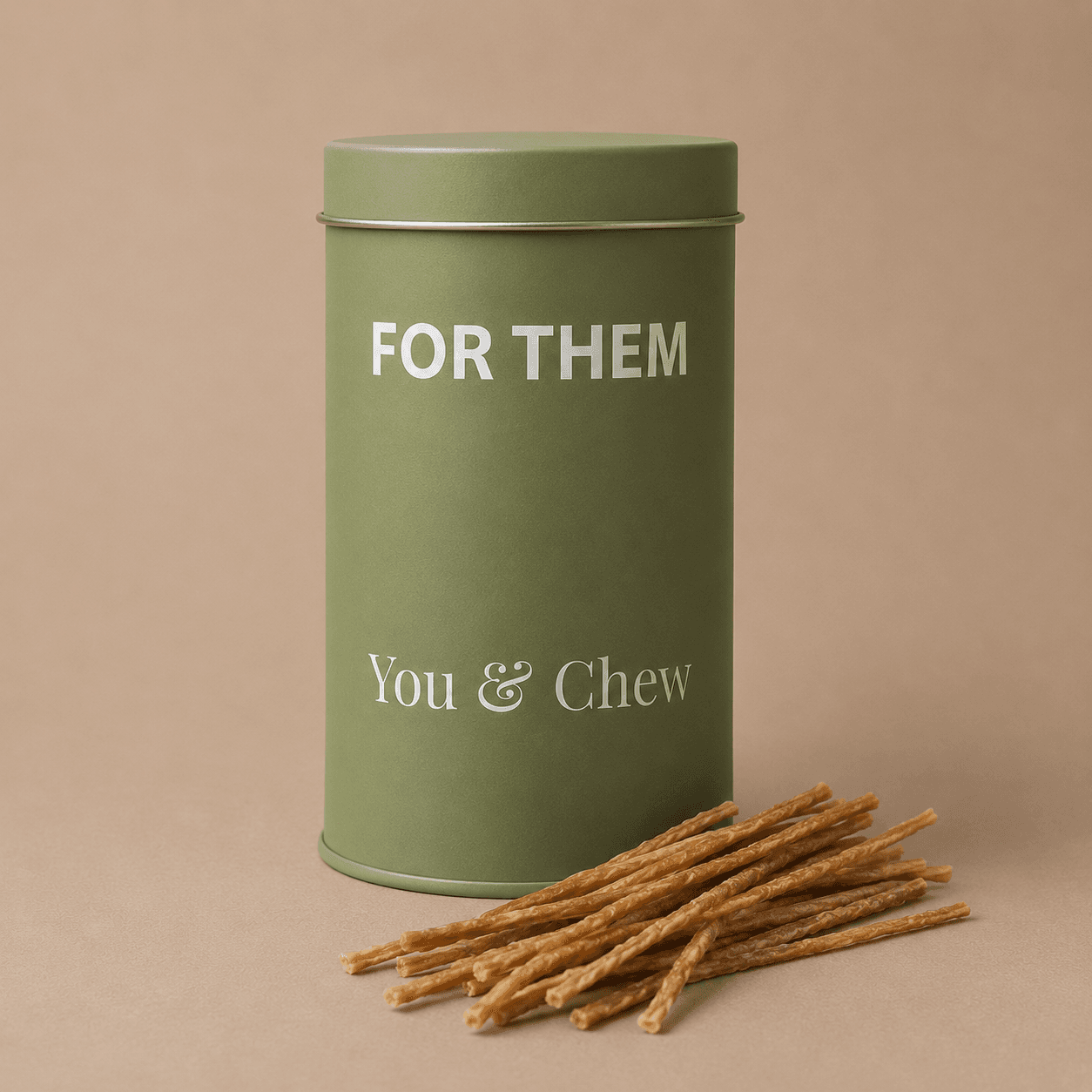
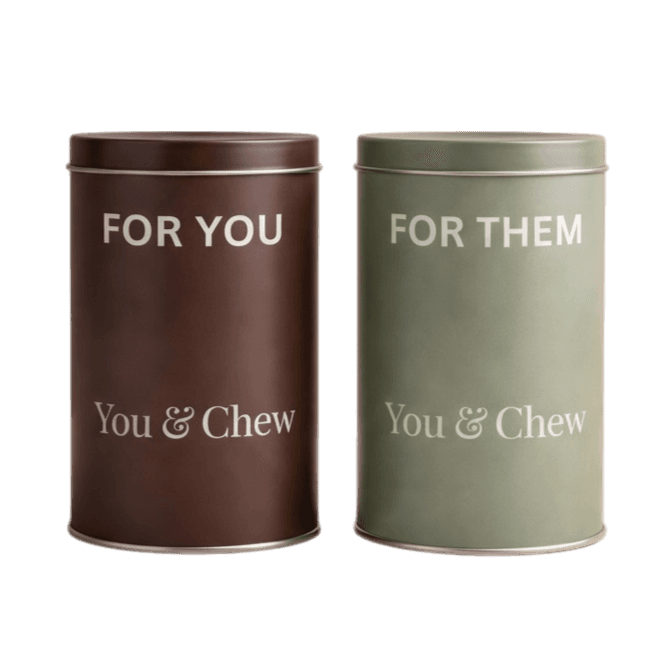
And keep the ritual. The tin opening is a moment they still recognise long after they have stopped hearing it from the other room.
Not veterinary advice
We make treats, not diagnoses. This is general information, not a substitute for your vet, who knows your dog and we do not. If something is wrong — or you are unsure whether it is — call them rather than a website.